Board-Certified Counsel
for Your Next Chapter
Board-Certified in Family Law by the Florida Bar Since 2001
Mediation, Collaborative Divorce, or Courtroom Litigation
High-Asset Divorce Backed by In-House Business Law
Staggered Appointments Protect Your Privacy
Family law is different. The person across the table is someone you depended
on for years, and the outcome will shape your future. Here is what you get when
Sutton Law Firm handles your divorce:
Debra J. Sutton has represented Polk County families since 1989. More than 35 years in local courtrooms have earned this firm a reputation among Lakeland divorce attorneys for skill and steady judgment.
Ms. Sutton is board-certified in both marital and family law and appellate practice. If your case goes to trial, is challenged after judgment, or is appealed, one lawyer can handle it all.
Not every divorce belongs in a courtroom. The firm handles mediation, collaborative divorce, and full litigation, so the approach fits your family instead of the other way around.
Steve Steiner
Lakeland, FL
2024
I have known Debra and Matt on both a professional and personal basis for a number of years, and have recommended Sutton Law Firm to others, based on their expertise and guidance on legal matters I have encountered, knowing they can --- and have --- done so for a multitude of clients. While other law firms may boast they are on the side of their clients, and I am sure those are, Debra and Matt and their incredible support staff "walk the walk "
View on Googleserhiy barsukov
St Petersburg, FL
2024
Sutton Law Firm has personally helped me and my family in many situations. The team works together to create the best case for their clients. I will only use Sutton Law Firm in the future, they are the absolute best!
View on Google
HOW MEDIATION, COLLABORATIVE DIVORCE, AND LITIGATION DIFFER
Many people don't realize they have a choice. The path you pick shapes the cost, the timeline, and how much of your private life ends up in a public court file. Here is how the three compare:
A neutral third party guides the two of you toward a settlement on assets, debts, child support, and a parenting plan. It is the fastest and least expensive route, and it works best when both spouses can still talk amicably to each other, even when they disagree on the terms.
During collaborative divorce, each spouse keeps their own attorney, and the team can bring in an accountant, a forensic expert, or a child specialist. Everything stays out of the courtroom. It costs more than mediation, but it handles complex finances and custody questions that mediation alone cannot settle.
A judge decides the final terms. This is the right answer when one spouse hides assets, refuses to negotiate, or when safety is a concern. The trade-off is time, cost, and a public record of the dispute. Even then, most cases settle before trial, and a case that starts in court can still resolve at the negotiating table.
Ms. Sutton handles all three, so the recommendation you get is based on your
case and not on the one service a firm happens to offer.
WE CAN HANDLE DIFFERENT ASPECTS OF A DIVORCE
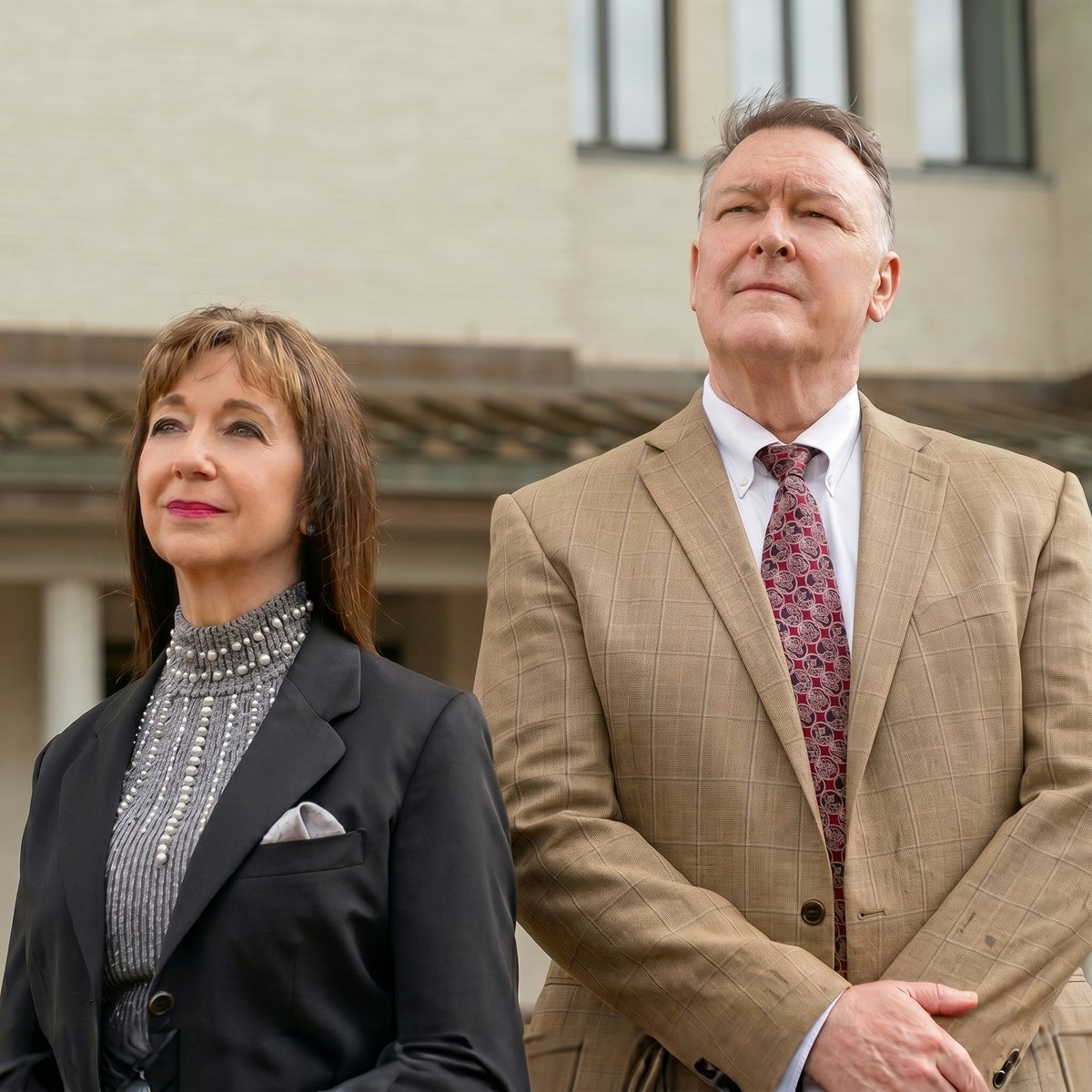
Attorneys Debra J. Sutton and Matthew J. Kovschak have helped many families in the Lakeland, FL, area successfully navigate through the divorce process. Our award-winning family law attorneys are ready to help you navigate through a difficult time in your life.
Sutton Law Firm can help you with:
Ms. Sutton handles three ways to approach a divorce, so the recommendation you get is based on your case and not on the one service a firm happens to offer.
A high-asset divorce involves spouses who have accumulated substantial net worth. It can also include cases where an individual has substantial non-marital income and assets. This may be in the form of high income, substantial assets, substantial home and business equity, multiple properties, overseas assets, large insurance and retirement accounts, a trust, or valuable artwork.
As a result, there are often prenuptial agreements or payout provisions on certain types of accounts that require special attention. Some of the provisions of prenuptial agreements may have been modified or compromised during the marriage by conduct of one of the spouses. In addition, high net worth individuals face challenges not experienced by others; the rules, entities involved, and tax consequences are just a few. Our divorce lawyers can help you maximize your financial settlement.
Save Your Assets from an Unfair Split
If you have substantial investments in stocks, bonds, real estate, or businesses, you need a family lawyer who understands the minutiae of business law as well as divorce proceedings. That's why the team of Debra J. Sutton and Matthew J. Kovschak is essential for anyone going through a high-asset divorce in Florida.
Together we can help you look after your nest egg and remain financially independent when your divorce is finalized. To set up a consultation, contact the Sutton Law Firm today.
An Alternative to Proceedings in Family Court
Collaborative Divorce
Collaborative divorce offers a more conciliatory approach to legal separation and the resolution of marriage. Most people have a hard time imagining divorcing parties agreeing on anything. However, this approach to divorce or any family law matter is intended to remove the complexity and hostility that often surrounds the process.
In this setting, both parties agree to work out their differences, including issues of child custody and child support, outside of the courtroom. Parties are assisted by their attorneys and other professionals.
The focus is on the good of the family as a whole, rather than on the individual. This approach allows us to consider the needs of everyone, particularly children, and develop solutions that are agreeable to all parties involved.
The Process
During this process, each spouse retains a lawyer to represent them in the case.
Our divorce attorneys in Lakeland will then work out the details of the divorce in
a fair and amicable manner. We will address the following issues:
Divorce mediation is recommended in some cases as a more amicable option than traditional divorce. It offers an alternative to contentious and expensive litigation, which can result in an antagonistic and hostile relationship between parties.
During mediation, a neutral third party serves as the mediator between the separating spouses, providing guidance and helping to facilitate discussion to arrive on a settlement of contested issues. This may include division of assets and debts, child support, parenting plans, and what type of time sharing schedule works best for the child.
The Process
If a settlement is not reached, you will have the satisfaction of knowing that you explored all options. Even if mediation is not successful at the time of the mediation conference, Ms. Sutton has been successful in settling disputes afterward and prior to trial. If not, we will be ready and prepared to go to trial to have a judge decide the final terms. Our lawyers in Lakeland will help build a strong case.
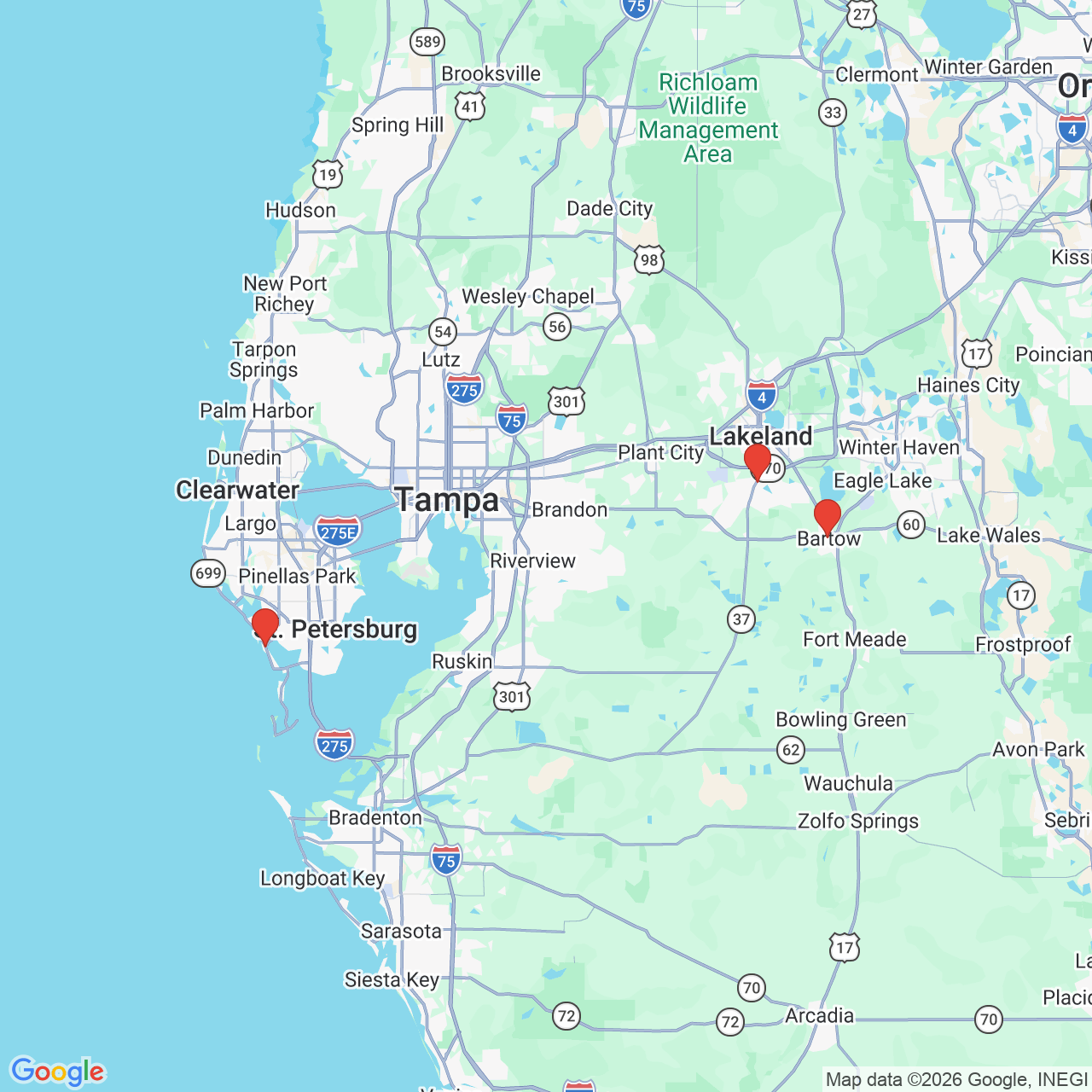
Divorce proceedings can be time-consuming and emotionally draining. All of our clients are treated with the utmost sensitivity and discretion. Your separation will be handled privately, and we carefully manage our schedules to preserve confidentiality. Appointments are always staggered at our family law offices in Lakeland, St. Petersburg, and Bartow, FL, so two clients are rarely in the office at the same time and we can give you individualized attention.
Ms. Sutton's firm handles amicable to hostile divorces, and everything that falls in between. She offers collaborative and mediated divorce services that can streamline important agreements like child custody, child support, alimony, and other important decisions.
If you are involved in a divorce, you deserve attorneys who will work for your best interests. Request a consultation to meet at our law offices or call us.
A divorce marks the end of a legal marriage. An annulment erases a legal marriage, declaring the initial union completely null and void. Typically people seek an annulment if they were coerced or tricked into getting married. We can discuss the annulment process as part of a legal consultation.
Yes, as long as you or your spouse meets Florida's residency requirements, you can file for a divorce within the state. That means one of you must live in Florida for at least six months before filing for divorce.
No. Florida is a no-fault divorce state. This means that a married couple can file for a divorce simply because they cannot agree on matters and do not want to remain married. This is also known as irreconcilable differences.
In simple terms, an uncontested divorce (uncontested dissolution of marriage) is when both spouses agree on all terms of a divorce. A contested divorce is when spouses cannot agree on the terms of a divorce. An uncontested divorce can also occur when a spouse fails to respond to divorce papers, which can lead to a default divorce judgement.
Locations
We have 3 locations the greater Tampa area